What to Bring to a Pump Track: A Complete Rider's Checklist
Planning your first visit to a pump track is fairly simple, but bringing the right equipment can make the experience much more comfortable. You don't need a huge collection of specialized gear to enjoy most pump tracks. A suitable bike or other permitted equipment, a properly fitted helmet, comfortable clothing, and a few basic items are usually enough to get started. The exact requirements depend on the facility, so always check the local rules before you leave. Some locations have specific equipment restrictions or safety requirements that should take priority over any general checklist. Here's what to bring for a short session, a family outing, or a longer day at the track.
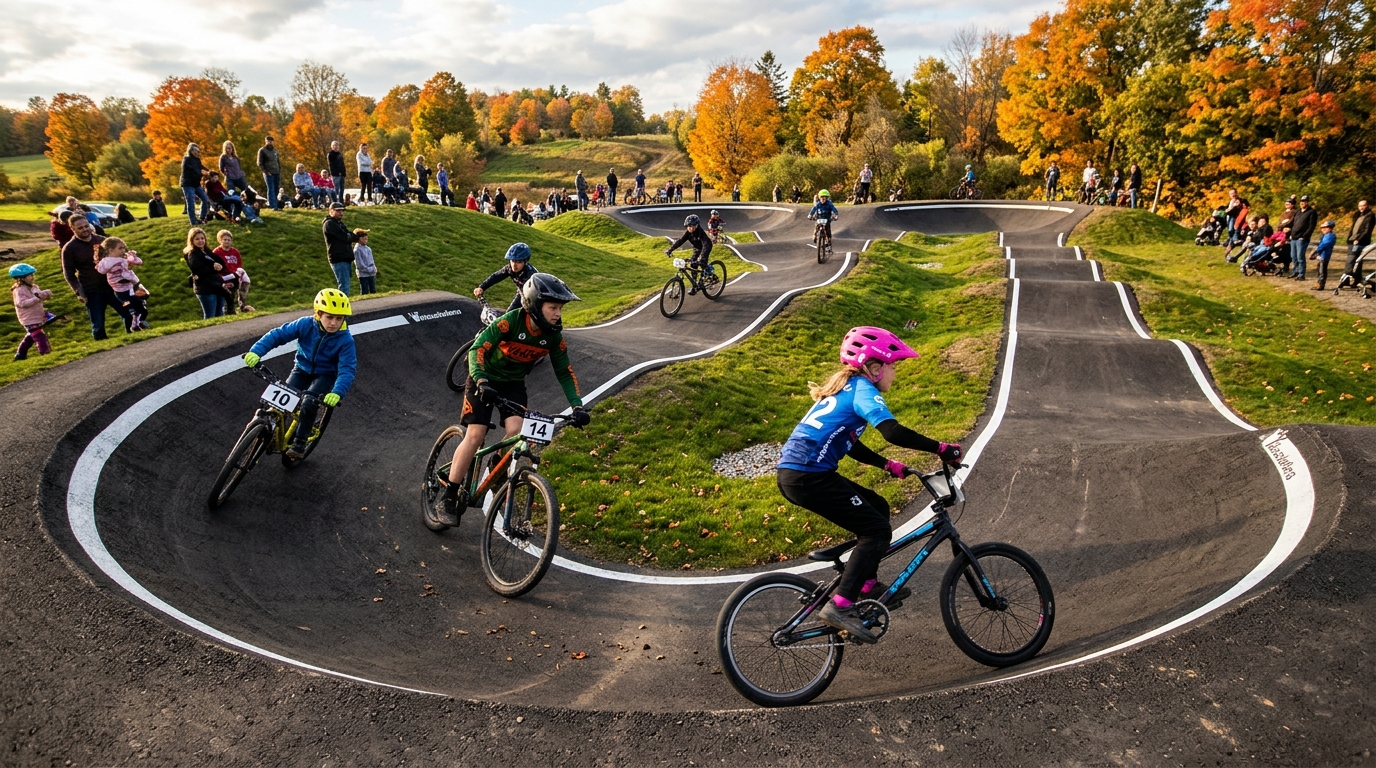
Start With the Right Equipment
The first thing to confirm is what you're actually allowed to ride.
Pump tracks can vary considerably. Some are intended primarily for bicycles, while others may allow scooters, balance bikes, skateboards, or other equipment.
Don't assume that equipment permitted at one pump track will automatically be accepted at another.
If you're visiting a specific location, check its listing and any official information available before travelling.
For bicycle riders, BMX bikes are commonly associated with pump-track riding, while suitable mountain bikes can also be appropriate at some facilities.
For children, a balance bike may be suitable at locations where it is permitted.
The most important thing is that the equipment matches both the rider and the facility.
Helmet
A properly fitted helmet should be at the top of your checklist.
A helmet needs to fit securely and should be appropriate for the type of riding you're doing. It should not move excessively when you turn your head, and straps should be adjusted so the helmet stays in position during normal riding.
Check the facility's rules before your visit. Some locations may have specific helmet requirements.
If you're riding with children, take a few minutes before arriving at the track to make sure their helmets still fit correctly. Children grow quickly, and a helmet that fitted comfortably months ago may no longer be appropriate.
A helmet isn't a substitute for good riding habits, either. Beginners should still start slowly, maintain control, and leave enough space between themselves and other riders.
Comfortable Clothing
You don't need special cycling clothing to ride a pump track.
Comfort and freedom of movement are more important for beginners.
Choose clothing that allows you to bend your knees and move your upper body without restriction. Avoid loose items that could interfere with the bike, wheels, or other equipment.
Weather should also influence your choice.
Outdoor riding conditions can change quickly, particularly during spring and fall in Canada (with premier pump tracks in British Columbia and pump tracks in Alberta). Layers can make it easier to adapt when temperatures change throughout the day.
For children, packing an extra layer can be particularly useful.
Closed-Toe Shoes
Footwear matters more than many beginners expect.
Closed-toe shoes provide protection and give riders a stable platform when using flat pedals.
Choose footwear that fits securely and doesn't interfere with the pedals. Shoes with a reasonably grippy sole can also make it easier to maintain contact with flat pedals.
Avoid riding in open-toe footwear such as sandals.
If you're using equipment other than a bicycle, follow the footwear recommendations applicable to that activity and facility.
Gloves
Gloves aren't always necessary, but many riders find them useful.
They can improve comfort and help protect your hands if you fall. They may also reduce discomfort caused by repeated contact with the handlebars during a longer session.
For beginners, gloves can be particularly useful because learning often involves experimenting with body position and balance.
That said, gloves should never be treated as essential protection against every type of injury. A properly fitted helmet and controlled riding remain much more important.
Knee and Elbow Protection
Pads are another optional addition that can be useful, particularly for beginners and children.
Knee and elbow pads can provide additional protection during falls, especially while learning new movements.
Whether you need them depends on your experience, confidence, riding style, and the type of track you're using.
A beginner riding slowly on a simple track may have different needs from an experienced rider practising jumps.
If you're unsure, protective pads are a reasonable choice while developing confidence.
Water
A water bottle is a simple item that's easy to overlook.
Pump-track riding involves repeated body movements and can become physically demanding, particularly during longer sessions or warm weather.
Bring enough water for the length of your visit, especially if you're travelling with children.
Don't assume that every pump track has drinking-water facilities. Amenities vary considerably between locations.
If the directory listing or municipal information doesn't mention a water fountain, bringing your own water is the safer assumption.
Basic Bike Repair Equipment
If you're travelling to a pump track by car, carrying a small repair kit is worthwhile.
You don't need a complete workshop.
A basic kit might include:
- A suitable pump
- Spare tube if applicable
- Tire levers
- Multi-tool
- Basic replacement items appropriate for your bike
The exact contents depend on your equipment.
For a short session close to home, you may not need everything. For a road trip or visit to a track far from home, a more complete repair kit becomes more useful.
It's also a good idea to inspect your bike before leaving.
Check that the tires are appropriately inflated, the brakes work correctly if your bike has them, and nothing feels loose.
Sunscreen and Weather Protection
Outdoor pump tracks expose riders to the weather, so your packing list should reflect the conditions.
On sunny days, sunscreen, sunglasses, and a hat for time away from the bike can be useful.
In cooler conditions, bring appropriate layers.
If rain is possible, remember that wet surfaces can change the way a pump track feels and may make riding inappropriate or unsafe.
Don't assume that because a track is technically open, conditions are automatically suitable for riding.
Use common sense and follow any local closures or warnings.
Phone
A phone can be useful for more than taking photos.
Before leaving, save the address of the pump track and check the route.
You can also use your phone to verify operating information, review facility rules, check weather conditions, or contact someone if plans change.
If you're visiting several locations during a road trip, saving the relevant directory pages in advance can make navigation easier.
Just make sure your phone is securely stored while riding.
What to Bring for Children
A family visit requires a few additional considerations.
In addition to the child's riding equipment and helmet, consider bringing:
- Water
- Snacks
- Extra clothing
- Sunscreen
- Protective pads
- A small first-aid kit
- Spare clothing if weather conditions are uncertain
Children can also become tired faster than expected.
A pump track session doesn't have to last for hours. Short sessions with breaks can be a better experience than pushing a young rider to continue after they're tired.
Parents should also help children understand the basic rules of the facility before they start riding.
A Simple First-Visit Checklist
If you want to keep things simple, use this checklist:
Before leaving home:
- Check that the facility allows your equipment
- Check the posted rules
- Inspect your bike
- Check the weather
- Confirm the address
- Pack your helmet
- Bring water
For the ride:
- Wear comfortable clothing
- Use closed-toe footwear
- Bring optional gloves and pads
- Ride within your ability
- Leave space between riders
For a longer trip:
- Pack a repair kit
- Bring extra clothing
- Carry additional water
- Keep your phone accessible
- Check conditions before starting
What You Probably Don't Need
It's easy to overprepare for your first pump-track session.
You don't necessarily need expensive cycling clothing, specialized tools, or advanced protective equipment.
If you're a beginner, focus on the fundamentals first.
A properly fitted helmet, suitable equipment, comfortable clothing, and water are more useful than buying a large collection of accessories before you've even completed your first session.
As you gain experience, you'll learn which equipment makes your own riding more comfortable.
Check the Track Before Packing
The most useful checklist is always the one adapted to the specific facility.
A small community pump track may have completely different characteristics from a large multi-use cycling facility.
Before leaving, check:
- What equipment is permitted?
- Is a helmet required?
- What are the operating hours?
- Is the facility seasonal?
- Are there parking facilities?
- Are washrooms available?
- Is drinking water available?
- Are there special rules for children?
- Is the track currently open?
Information can change, so use current facility signage and official local information where available.
The findpumptracks.ca can help you identify facilities and compare available information before you make the trip.
What to Bring on a Pump Track Road Trip
If the pump track is one stop on a longer cycling trip, your checklist should be slightly more comprehensive.
In addition to your normal riding equipment, consider carrying:
- Bike repair supplies
- Spare parts appropriate for your bike
- Extra water
- Weather-appropriate clothing
- Navigation information
- Snacks
- Basic first-aid supplies
You should also avoid leaving important equipment buried under luggage.
If you know you're going to stop at a pump track during a road trip, keep your helmet, shoes, and riding equipment somewhere easy to access.
That way, a short riding stop doesn't require unpacking the entire vehicle.
Frequently Asked Questions
Find a Pump Track Before You Pack
Once you've got your equipment ready, the next step is finding a facility that suits your ride.
The findpumptracks.ca lets you browse pump tracks by province and city, helping you identify locations before you leave home.
Check the individual listing, verify local rules, and prepare according to the conditions. With a simple checklist and the right equipment, your first pump-track session can be much more straightforward.