Pump Track Riding for Beginners: How to Get Started
A pump track can look intimidating the first time you see riders flowing around the rollers and berms without pedalling. In reality, you don't need advanced cycling skills to get started. The key is understanding how the track works, learning to control your speed, and gradually getting comfortable with the pumping motion.
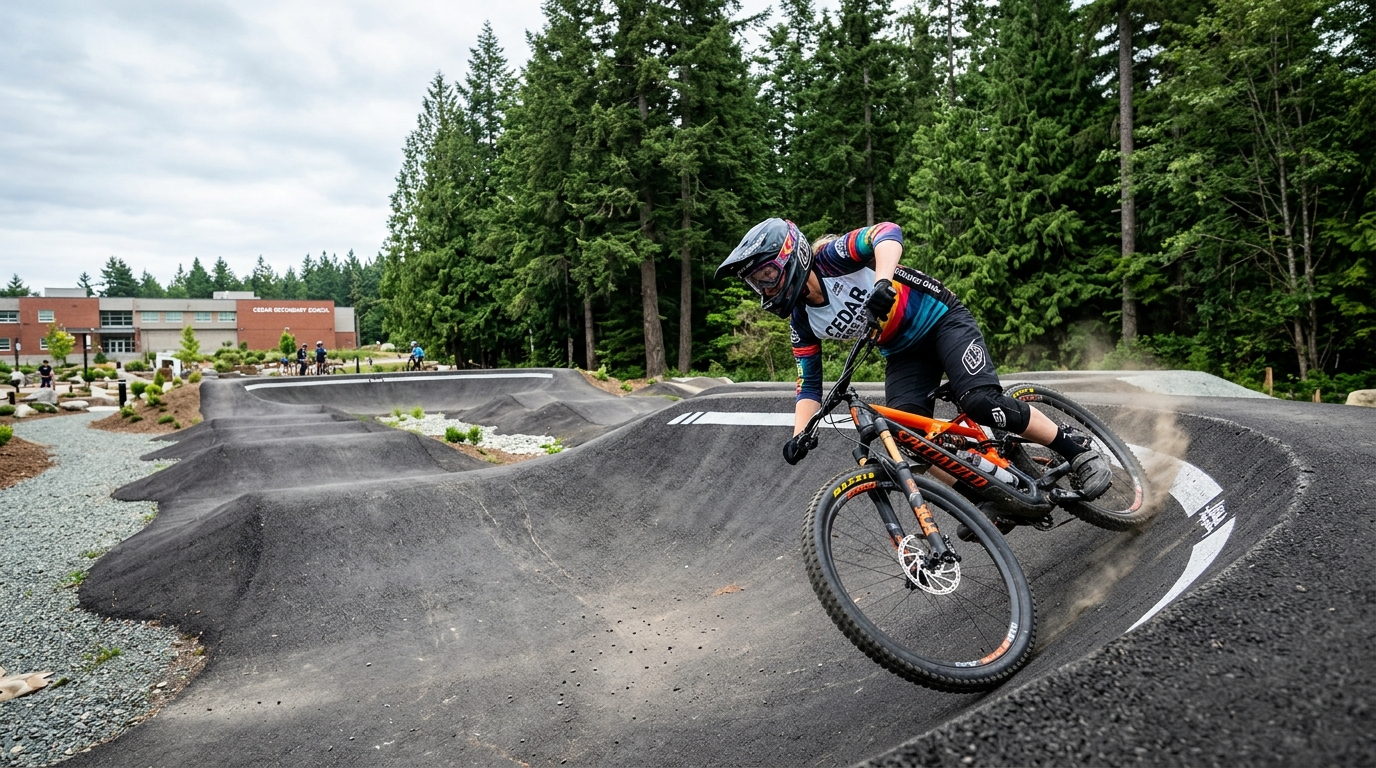
What Is a Pump Track?
A pump track is a continuous circuit made up of rollers, banked turns known as berms, and sometimes additional features such as small jumps or technical sections.
Unlike a traditional bike path, the goal isn't simply to travel from one point to another. Riders use body position and timing to maintain momentum around the entire circuit — ideally without ever putting a foot down or pedalling.
The pumping motion involves moving your body with the shape of the track rather than constantly relying on the pedals. Done correctly, it feels less like cycling and more like surfing a wave of terrain.
What Should You Ride on a Pump Track?
The best bike depends on the design of the facility and the local rules posted on-site.
BMX bikes are commonly associated with pump tracks because they're light, responsive, and easy to manoeuvre through tight berms. A suitable mountain bike can also work well, particularly on larger tracks with wider turns.
Some facilities are designed to accommodate balance bikes, kids' bikes, or scooters. A few tracks also welcome skateboards or inline skates, though this varies significantly by location. Always check the rules of the individual location before riding, since mixed-use tracks may have specific time slots or direction-of-travel rules to keep riders safe.
How Do You Ride a Pump Track?
If you're new to pump tracks, don't worry about speed at first. Start slowly and concentrate on three fundamentals.
1. Look Ahead
Keep your eyes on the next section of the track rather than staring directly at the front wheel. Looking through a turn helps your body naturally follow the direction you want to take — this is the same principle used in cornering on a road bike or a ski slope.
2. Stay Balanced
Keep your knees and elbows slightly bent. Your body should be able to absorb and move with the rollers rather than remaining completely rigid. A stiff, straight-armed position is one of the most common reasons beginners lose momentum or get bounced off line.
3. Learn to Pump
The basic idea is to push your weight down into the track as you move through a transition (the dip between two rollers) and become lighter as you cross the crest of a roller. This down-up motion is where the track gets its name, and it's what generates speed without pedalling.
At the beginning, your objective should be maintaining a smooth rhythm rather than generating maximum speed. Speed comes naturally once the technique clicks.
Common Mistakes Beginners Make
Understanding a few frequent errors can shorten the learning curve considerably.
- Braking through berms: Scrubbing speed mid-turn often causes more instability than carrying steady speed through the corner.
- Pedalling through rollers: Pedalling at the wrong moment can unweight the bike unexpectedly. Try a lap with your feet level and focus purely on body movement.
- Looking down: This narrows your field of view and delays your reaction to the next feature.
- Tensing up: Gripping the handlebars too tightly reduces the bike's ability to absorb bumps naturally.
- Rushing progression: Riders who try advanced tracks too early tend to develop habits (like excessive braking) that are harder to unlearn later.
Do You Need to Pedal?
One of the defining characteristics of a pump track is that riders can maintain momentum without continuously pedalling. The rollers and berms provide the shape of the circuit, while the rider's movements convert that terrain into speed.
This is exactly why pump tracks are such a useful training tool. You can practise body positioning, balance, cornering, and momentum management repeatedly on the same short circuit, which makes it easier to isolate and correct one skill at a time.
Basic Safety Equipment
While rules vary by facility, a few pieces of equipment are recommended at almost every pump track in Canada (with premier pump tracks in British Columbia and pump tracks in Alberta):
- A properly fitted helmet
- Closed-toe shoes with good grip
- Gloves, especially for BMX and mountain bike riders
- Knee and elbow pads for younger or less experienced riders
Are Pump Tracks Suitable for Kids?
Many pump tracks are accessible to younger riders, particularly facilities with smaller rollers and gentle turns. Some parks even include a dedicated beginner loop alongside the main circuit.
Children can start by learning basic bike control and gradually become more comfortable with the track. A balance bike can also be an excellent introduction where permitted, since it removes pedals from the equation entirely and lets kids focus purely on balance and steering.
Parents should check the individual facility's rules, recommended age range, equipment requirements, and difficulty level before visiting. Visiting during off-peak hours can also make it easier for young or nervous riders to get comfortable without pressure from faster traffic.
How to Choose a Beginner-Friendly Pump Track
Not every pump track has the same layout, and picking the right one makes a big difference in how quickly you progress. If you're just starting out, look for:
- Smaller rollers
- Wide and gentle berms
- A relatively smooth, consistent surface (asphalt is often easier to learn on than dirt)
- Few or no large jumps
- A layout that allows riders to maintain a comfortable, controlled speed throughout
Frequently Asked Questions
Find a Pump Track Near You
The easiest way to get started is to find a suitable track close to home. Use the findpumptracks.ca to browse facilities by province and city. Individual listings can help you compare locations, surfaces, photos, ratings, and available amenities before deciding where to ride.
Ready to ride? Explore pump tracks in your province and find a local track near you.